
How Your First Trip Together Shows Your Compatibility as a Couple
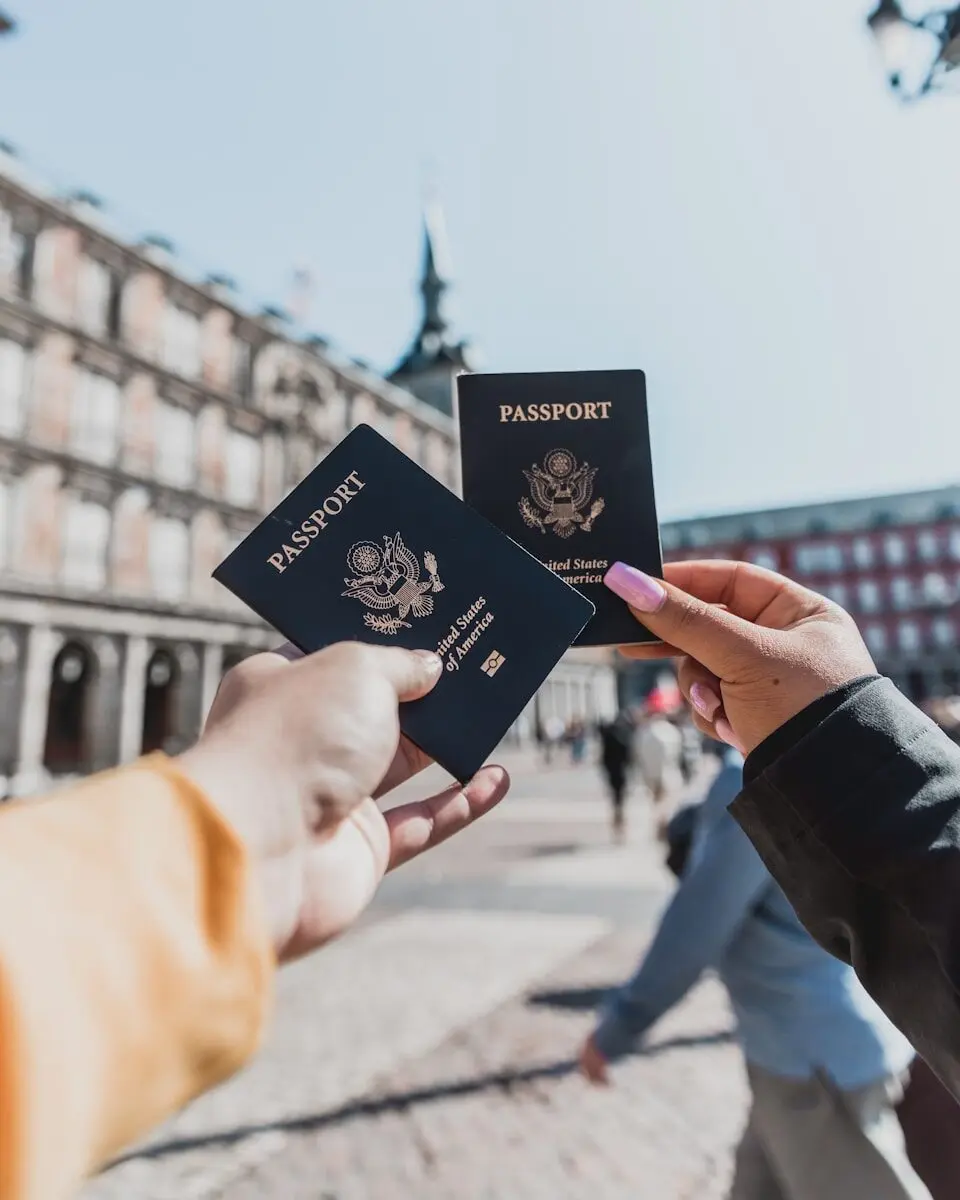
In a survey of 2,000 American couples, 73% called traveling together the ultimate test of a relationship. The reason is simple. A delayed train, a hotel room that looks nothing like the photos, or an afternoon lost in a strange city with $100 between you pulls out behavior that candlelit dinners keep hidden. Months of dating happen on a stage where both people are rested, fed, and on their best manners. A trip strips that away. The first trip together is where a couple finds out what the relationship is actually made of, and the answer arrives faster than either person expects.
The First-Trip Stress Test
Travel exposes the small, daily incompatibilities that hide inside a dating routine. The same survey ranked the biggest reveals. Money habits ranked highest at 45%, followed by hygiene at 36% and food preferences at 33%. Further down were wake-up times at 24%, bathroom etiquette at 22%, and even a shared appetite for museums and tours at 20%. Planning style mattered most of all to many couples, with 63% wanting a partner whose preparation habits matched their own. These are not the topics that come up over dinner. A person can hide that they are chronically late, careless with a budget, or miserable before coffee for months. Put them in an airport at 5 a.m. with a gate change, and the truth shows up within the hour. The reveal cuts both ways. A partner who stays calm when the plan falls apart, splits the bill without a fuss, and laughs off a wrong turn is showing you something a hundred dinners could not. Travel surfaces traits that were already there, turning up the volume until they are impossible to miss.

Managing the Inevitable Friction
Here is the part most people get wrong. The first trip measures how two people handle being incompatible, which matters far more than perfect agreement. No two travelers want the exact same thing at every moment, so friction is guaranteed. The couples who come home stronger share one trait. They can disagree about the schedule, the budget, or the pace and still share a bed that night without keeping score. A smooth trip with zero conflict usually means someone swallowed their preferences the whole time, which is its own warning sign. The thing to watch is recovery speed, how fast a tense morning turns back into a good afternoon. It also helps to watch how decisions get made under pressure. Does one person quietly take over, or do both adjust and trade off as the day changes. A couple that can hand the map back and forth without a power struggle has the skill that matters most when the stakes are higher than a missed museum.
A Tool in a Bigger Process
A trip is one of the more honest tools in the longer project of finding the right woman or the right partner, because it compresses months of discovery into a few days. Surveys put the sweet spot at around the four-and-a-half-month mark, late enough that real feelings exist and early enough that neither person is held by sunk cost. Go too early and a single bad night feels like a dealbreaker before there is anything worth protecting. Wait too long and the trip becomes a high-stakes audit of a relationship people have already decided to keep. The trip works best as one checkpoint among many, alongside everything else two people learn about each other on solid ground.
Minor Disagreements on the Road
Small frictions hit harder on a trip than at home, and the reason is physical. Travel wrecks the routines that keep emotions steady. Jet lag, short sleep, skipped meals, crowds, and a steady stream of micro-decisions about where to eat and how to get there all drain the same reserve that patience runs on. Experts who study why couples split on vacation point to decision fatigue as the quiet culprit. By the fourth choice of the morning, a tiny disagreement about lunch can escalate out of all proportion. None of it means the relationship is doomed, only that both people are tired, hungry, and overstimulated, and the fix is often a snack and a nap before any real talk. Saying out loud that you are both hungry and frayed defuses a surprising number of travel fights before they start.
How to Argue Well in a Hotel Room
Since friction is coming, the skill that matters is fighting cleanly. The research on managing conflict points to a few moves that travel makes especially useful. Use I statements about how a delay or a change feels, which works better than you-accusations that assign blame. Stick to one problem at a time, since piling the lost reservation onto last month’s grievance guarantees a worse fight. When either person floods with anger, call a short break and name a time to pick it back up, then actually return to it. The aim on a trip is to settle the argument about the wrong turn fast enough that the rest of the day survives it.
The Upside for Traveling Couples
The payoff is real for couples who pass the test. People who take vacations together report higher satisfaction across the board. In one set of findings, 77% of couples who travel together said they have a good sex life, against 63% of those who do not. 94% felt exceptionally close to their partner, compared with 86% of non-travelers, and 40% felt closer after a single trip. Relationships even last longer among couples who travel, with lower separation rates than couples who stay home. A first trip that goes well does double duty. It signals compatibility and builds a shared store of memory and proof that the two of them work as a team away from their usual props. That shared history compounds. Each trip that goes reasonably well makes the next one easier, because the couple now has proof they can survive an airport meltdown and still like each other at the gate.
Reading the Trip Honestly
So the first trip is best read as a preview, and reading it honestly matters more than the trip going perfectly. CNN and others have framed travel as a make or break moment, and the framing holds as long as a couple judges the right thing. The honest read looks past the number of arguments to how they were handled, how quickly warmth returned, and if both people still wanted to plan the next one on the flight home. A couple that can be tired, lost, over budget, and still kind to each other has learned something no third date could teach them. The trip hands you better questions and a sharper sense of who your partner becomes when the day stops cooperating, which is worth far more than a tidy verdict.